How to preserve documents and digitized.
- Get link
- X
- Other Apps

A preservation plan for a collection of paper documents, books, or photographs must consider both the physical and the future digital needs of the collection. Together with best practices in storing and the minimal handling of materials, digitization can increase the lifespan of fragile or deteriorating paper documents.
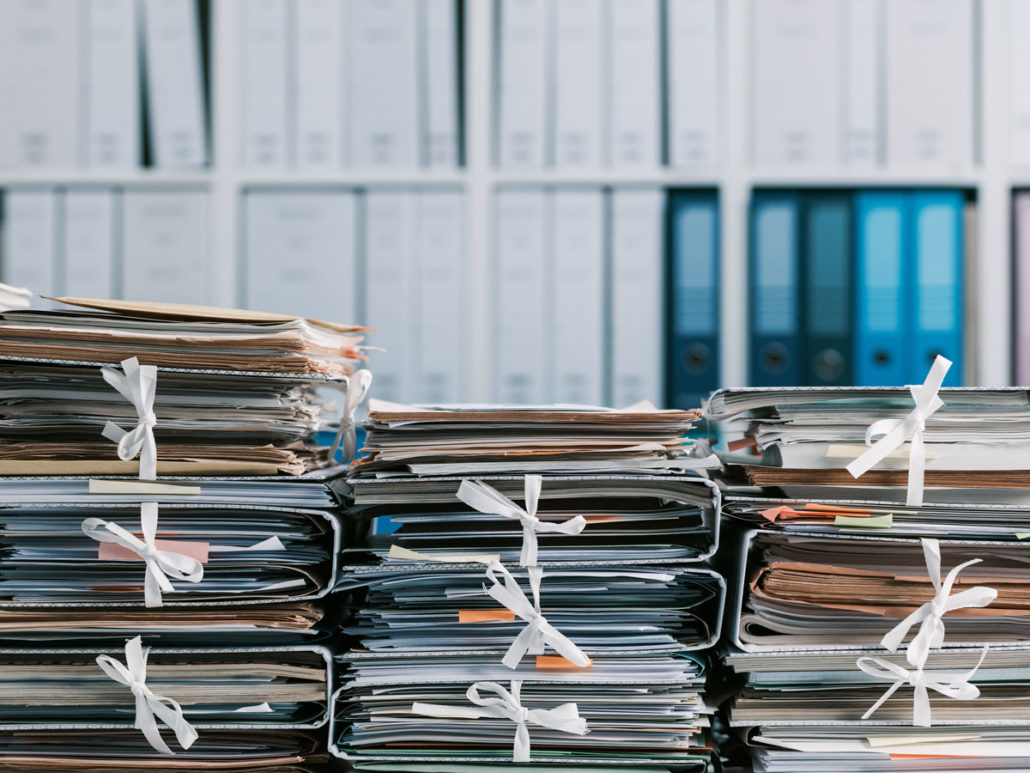
Because handling and use of historical documents risks additional deterioration and damage, an ideal method of true preservation is keeping originals out of common use. This can be done through a combination of physical storage and digital access to reproductions.
Archivists understand that digitization offers many benefits, such as ease of access, faceted search, and wide audience reach, but digitizing paper documents provides far more value to a collection than mere convenience. Proper digitization should be an ongoing part of a paper collection’s preservation plan. The benefits to the physical documents make digitization crucial to maintaining at-risk materials into the future.
Digitization: Maintaining Access While Utilizing Storage as Preservation:-
Historical documents are important for research and study, but that very use is often a danger to the collection. Digitization grants unlimited access to fragile materials without the risk of further deterioration through constant handling. This also increases the lifespan of materials in good condition, as all originals can be safely stored in the optimal environment. Through digitization, neither accessibility nor material safety needs to be sacrificed.
photos and genealogy documents
The concept of digitization is not new to the digital age. Early digitization techniques included microfilm, microfiche, magnetic tapes, and hard drives, but advances in storage capacity, capture hardware, and processing speed have improved digitization methods considerably. Digitization offers a way to preserve historical documents, or books, even if the physical items are too degraded to handle safely.
The National Library of the Czech Republic began their digitization efforts as a way to preserve acid-paper materials in their collection, first with microfilm and CD-ROMs and then, as technology improved, with magnetic tapes and digital media. In three years, they managed to digitize around 500,000 pages of manuscripts and acid-paper books and anticipated processing up to 1.6 million pages.
Similarly, the British Library Newspaper Collection, which includes newspapers from the 16th century to present day, found that by 2008 their collection suffered deterioration that left fifteen percent of the collection unusable. Another nineteen percent was at high risk of becoming unusable if not properly handled and supervised. The collection had an average user access of thirty thousand per year and insufficient storage capabilities and conditions. As part of their preservation initiative, digitization of the newspaper collection was a top priority to ensure the longevity of the materials in their care.
What Benefits Does Digitization Offer?
Combines Physical and Digital-born Collections
As more digital-born artifacts need to be archived for historical and cultural value, it’s important to find ways to merge the physical collections with digital-born collections. To meet the needs of readers, British Library Newspaper Collection planned to integrate digitized periodicals with digital-born newspapers. This allows a seamless transition to digital access of all materials evenly and ensures users don’t have to utilize multiple platforms to access a single collection.
Increases Collection functionality
Optical Optical Character Recognition (OCR) and user-driven metadata of digitized materials provides users far more efficient and expansive research functionality. Faceted search capabilities allow users to find the information everywhere in the collection that relates to their topic, era, or person of interest with precision and without the hassle of paging through entire volumes or books. This also decreases the time a user handles at-risk documents to keep them safe.
Ensures Survival of Documents
While no historian wants to imagine a priceless collection being destroyed, the consequences of disasters can be seen from the fire of Notre Dame to the destruction of irreplaceable indigenous language recordings at Museu Nacional in Rio de Janiero. Digitized backups mean that no matter the tragedy, the collection won’t be lost forever. While technological changes can make technology obsolete, the use of ISO standards ensures digital backups remain accessible.
Methods of preservation:-
1.Control the Environment
•Temperature & Humidity: Store documents in a cool, dry place with stable conditions, ideally 65-70°F (18-21°C) and 30-50% relative humidity.
•Light: Keep documents away from direct sunlight and UV exposure, which cause fading and yellowing.
•Cleanliness: Maintain a clean storage area to prevent dust, pests, and mold growth.
2. Use Archival Quality Housing
•Acid-Free & Lignin-Free Materials: Use acid-free, lignin-free folders, sleeves, and boxes to prevent paper deterioration.
•Acid-Free Folders & Sleeves: Place individual documents in acid-free folders or polyester/polypropylene sleeves to provide physical support and protection.
Archival Boxes: Store folders and documents in archival boxes for further protection from light, dust, and pests.
dizitation of documents and methods:-
Document Scanning: This is the most common method, converting physical paper into digital images using flatbed or sheet-fed (high-volume) scanners.
Large Format Scanning: Specifically designed for oversized documents like maps and blueprints, these scanners capture detailed information from large sheets of paper.
Microfilm and Microfiche Scanning: This method converts existing microfilm and microfiche records into digital formats, preserving them for easier access.
Mobile Scanning: Using apps on smartphones or tablets, individuals can digitize documents, though this method may require more preparation.
Post-Scanning Processes
Indexing and Metadata: Assign metadata (keywords, dates, document types) to files for efficient organization, categorization, and retrieval.
Quality Control: Verify that scans are clear, complete, and that OCR has accurately captured all text.
Storage and Management: Store digitized documents in a secure document management system (DMS) or cloud-based repository.
Benefits of digitization:-
Improved Accessibility: Digital documents are accessible from any location with the right permissions, enabling easier collaboration and faster information retrieval.
Enhanced Information Preservation: Digital formats prevent the degradation of physical paper, ensuring that vital information is preserved for the long term.
Better Data Security & Disaster Recovery: Digital backups and cloud storage provide a safe repository for data, protecting it from loss due to disasters like fire or flood, and from physical theft.
Operational Benefits:-
Enhanced Efficiency & Productivity: Digital data can be quickly searched, retrieved, and shared, eliminating the need to sift through physical documents and freeing up employees to focus on more strategic tasks.
Reduced Costs: Digitization minimizes costs associated with physical storage, paper, and printing, and can reduce the need for expensive physical office space.
Streamlined Workflows: By synchronizing related processes and improving communication, digitalization reduces turnaround times and streamlines operations.
- Get link
- X
- Other Apps
Bahot Khoob👍
ReplyDeleteVery Informative. Good work👍
ReplyDelete